


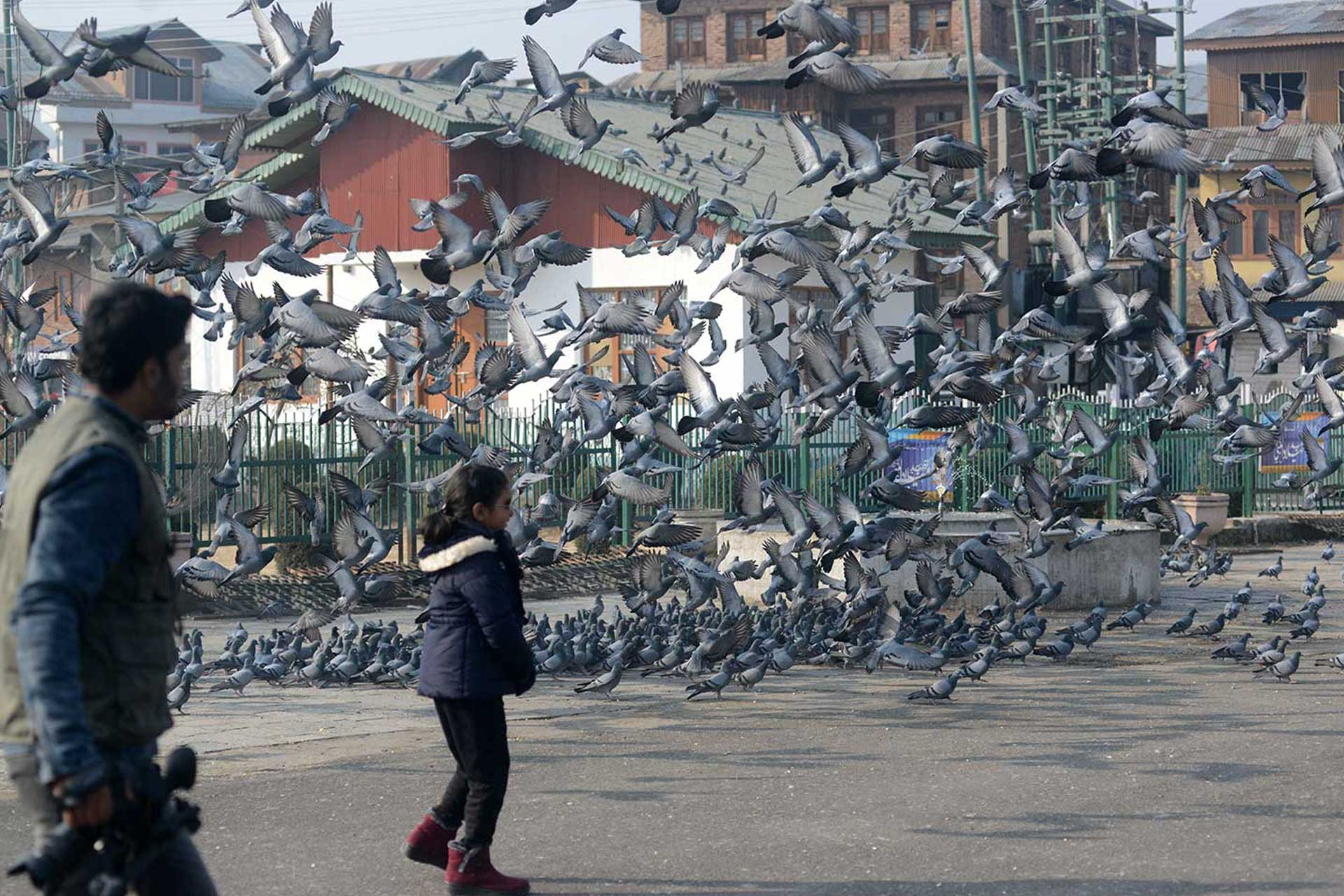
After enjoying the breathtaking natural beauty of Pahalgam, 29 December 2018 was dedicated to exploring the history, culture, and religious heritage of Srinagar. On a cold winter morning in the snow-covered Kashmir Valley, we set out to visit some of the city’s historic mosques, sacred sites, and other important landmarks. It was a day that offered not only scenic beauty but also a deeper understanding of Kashmir’s rich cultural and spiritual traditions.
One of the highlights of the day was a visit to the renowned Hazratbal Shrine, located on the northern shore of Dal Lake. This sacred site is one of the most important Muslim pilgrimage destinations in Kashmir and holds a special place in the hearts of the Kashmiri people. The shrine’s magnificent white marble dome, peaceful surroundings, and stunning lakeside setting create an atmosphere of serenity and reverence.
“Beneath the white dome of Hazratbal, history, faith, and spirituality unite to reveal the soul of Kashmir.”
Hazratbal is particularly significant because it is believed to house the Moi-e-Muqqadas, a sacred relic believed to be a strand of the beard or hair of the Prophet Muhammad (PBUH). According to historical accounts, the relic was brought from Medina to Bijapur, India, by one of the Prophet’s descendants in 1636. During the Mughal period, around 1700, it was transferred to Kashmir, where the present shrine was established to preserve and honor this revered relic.
The sacred relic is usually kept in a specially protected glass and gold container and is not displayed to the public on ordinary days. However, it is exhibited on special religious occasions such as Eid-e-Milad-un-Nabi and Shab-e-Meraj, drawing thousands of devotees from across Kashmir and beyond. For many Kashmiris, Hazratbal is not merely a place of worship but a symbol of faith, devotion, and cultural identity. It is often affectionately referred to as the “Second Medina” because of its profound religious significance.
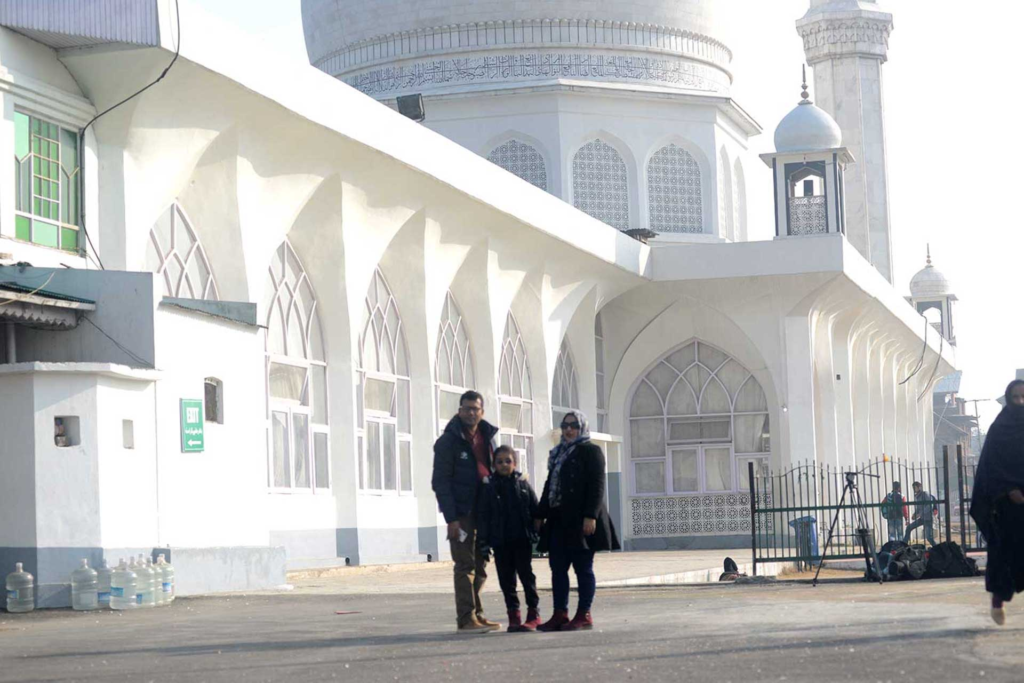
Standing within the shrine complex, I felt a deep sense of peace and spirituality. The quiet atmosphere, the devotion of worshippers, and the breathtaking view of Dal Lake combined to create an experience that was both humbling and memorable. It was a place where history, faith, and natural beauty came together in perfect harmony.
In addition to visiting Hazratbal, we explored other historic areas of Srinagar, including parts of the old city, traditional markets, and neighborhoods lined with centuries-old wooden architecture. Walking through the narrow streets and along the banks of the Jhelum River offered a glimpse into Kashmir’s rich past and enduring cultural heritage.
As the day came to an end, I realized that this journey was much more than a sightseeing tour. It was an opportunity to connect with the spiritual heart of Kashmir and to appreciate the history, traditions, and faith that have shaped the region for centuries. The memories of that winter day in Srinagar remain vivid and cherished to this day.

