


The Hidden Cost of Trends: Understanding Fast Fashion
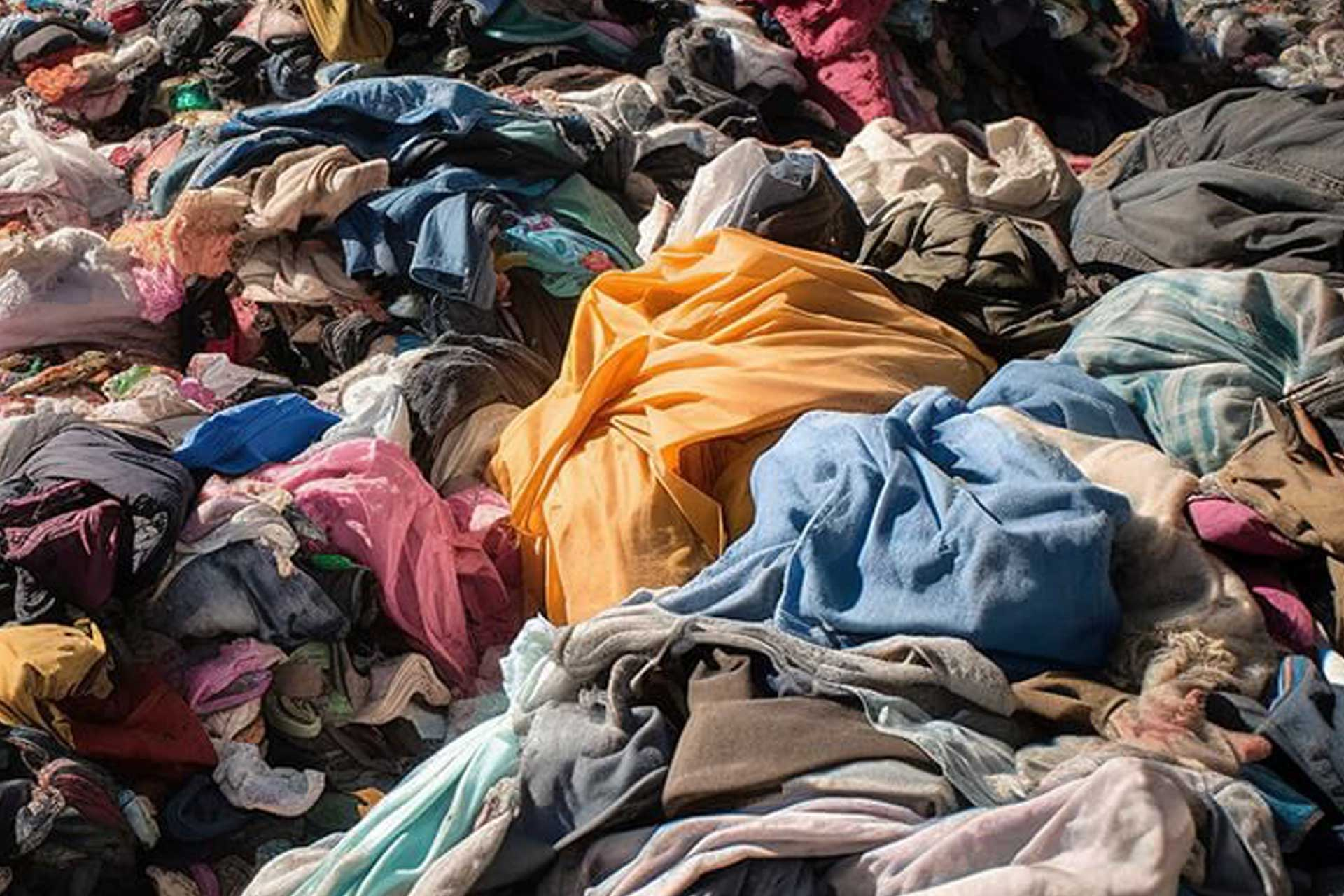
In the modern era, the distance between a high-fashion runway and a consumer’s wardrobe has shrunk from months to mere weeks. This phenomenon is known as Fast Fashion—a business model centered on the rapid mass production of inexpensive clothing that mimics current trends. While it has democratized style, making “the look of the moment” accessible to almost everyone, it has also created a global environmental and ethical crisis.
The Mechanism of Speed
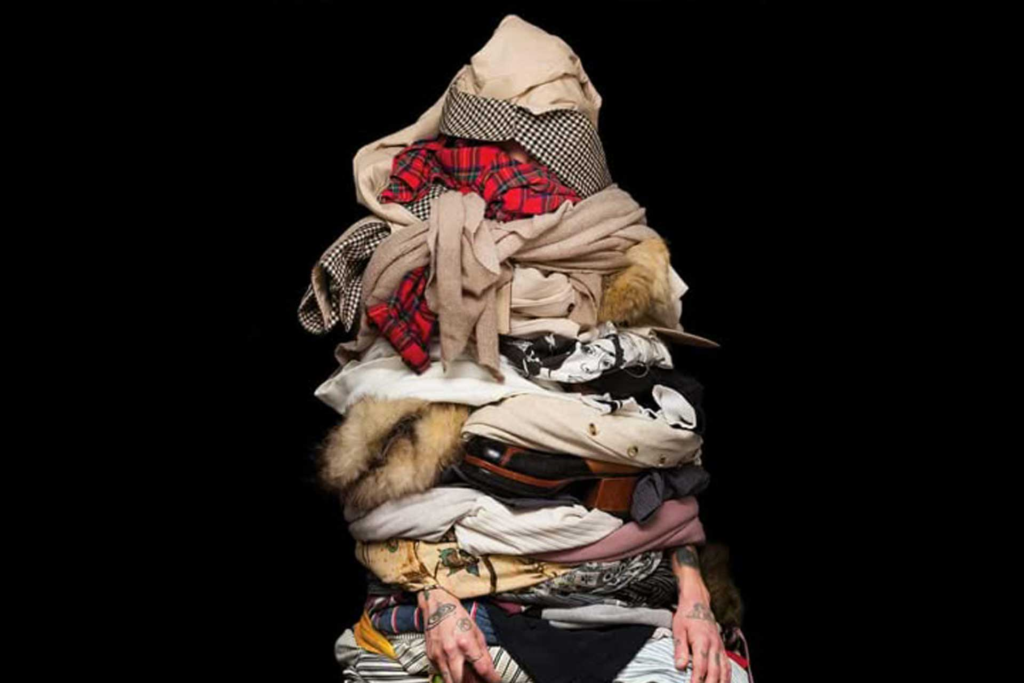
Fast fashion operates on the principle of planned obsolescence. Traditionally, fashion followed four seasons: Spring, Summer, Fall, and Winter. Today, fast fashion retailers introduce “micro-seasons”—sometimes up to 52 a year—ensuring that there is something new in-store every single week.
This cycle is fueled by:
- Real-time Data: Brands track social media trends and sales data to predict what will sell tomorrow.
- Offshore Manufacturing: Production is outsourced to countries with low labor costs and rapid turnaround capabilities.
- Inexpensive Materials: The heavy use of synthetic fibers like polyester and nylon keeps prices low but environmental impact high.
The Environmental Toll
The garment industry is now one of the most resource-intensive sectors on the planet. The environmental footprint of a $10 t-shirt is staggering:
- Water Scarcity: It takes approximately 2,700 liters of water to produce one cotton shirt—enough for one person to drink for two and a half years.
- Microplastic Pollution: Synthetic fabrics shed tiny plastic fibers during every wash. These microplastics eventually enter our oceans and the food chain.
- Toxic Dyes: Textile dyeing is the second largest polluter of water globally, as untreated toxic chemicals are often dumped into rivers near factories.
The Human Element: Ethics and Labor
To maintain the low price points consumers expect, costs must be cut elsewhere. Often, this happens at the expense of garment workers. Many factories in the global south operate with:
- Sub-living Wages: Workers often earn far below what is needed to cover basic housing, food, and healthcare.
- Unsafe Conditions: The pressure for speed can lead to overlooked safety protocols and grueling shifts.
- Lack of Rights: In many manufacturing hubs, attempts to unionize or demand better conditions are met with resistance.
The Rise of the “Slow Fashion” Movement
As awareness grows, a counter-culture is emerging. Slow Fashion (or Sustainable Fashion) advocates for a more mindful approach to consumption. This movement encourages:
- Quality Over Quantity: Investing in well-made pieces that are designed to last for years rather than weeks.
- Ethical Production: Supporting brands that provide transparency regarding their supply chain and ensure fair wages.
- Circular Economy: Embracing the “Three Rs”—Repairing what we own, Reselling via thrift stores, and Recycling textiles into new materials
Conclusion
Fast fashion has changed how we relate to our clothes, turning them into disposable goods rather than durable assets. However, the true price of a “bargain” is paid by the environment and the people who make our clothes. By choosing to buy less, choosing well, and making it last, we can shift the industry toward a more sustainable and equitable future.

