


Barind Tract is one of Bangladesh’s most drought-prone regions, where low rainfall, prolonged dry seasons, and decades of intensive groundwater extraction have significantly depleted underground water reserves. As a result, agriculture, ecosystems, and rural livelihoods face increasing challenges. To address these issues, Water Rechargeinitiatives are being implemented as a sustainable solution for restoring groundwater and strengthening water security.
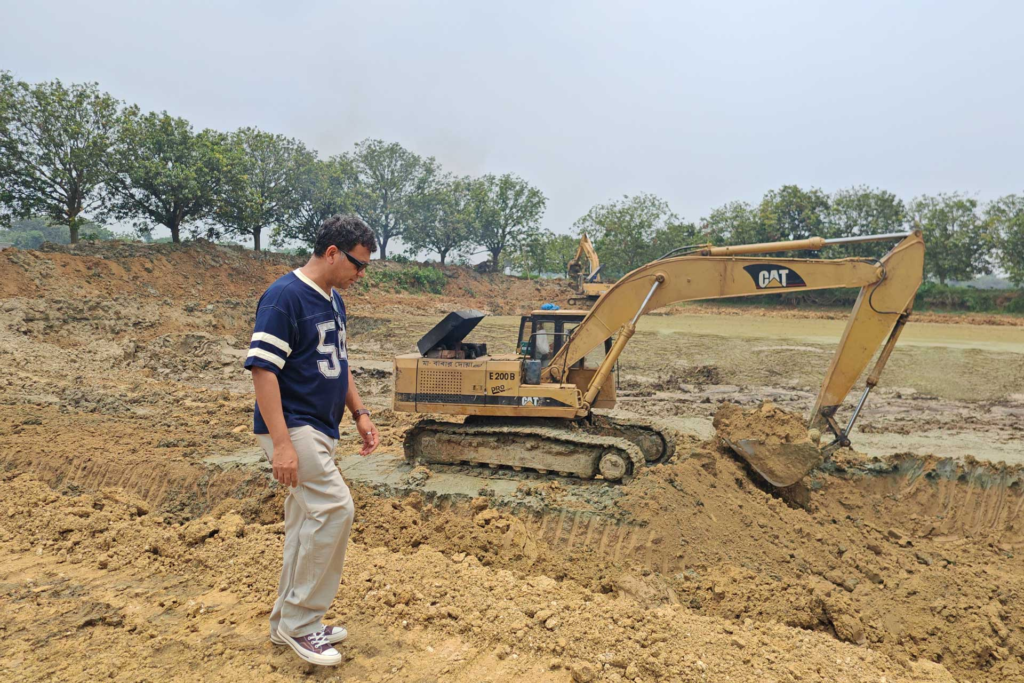
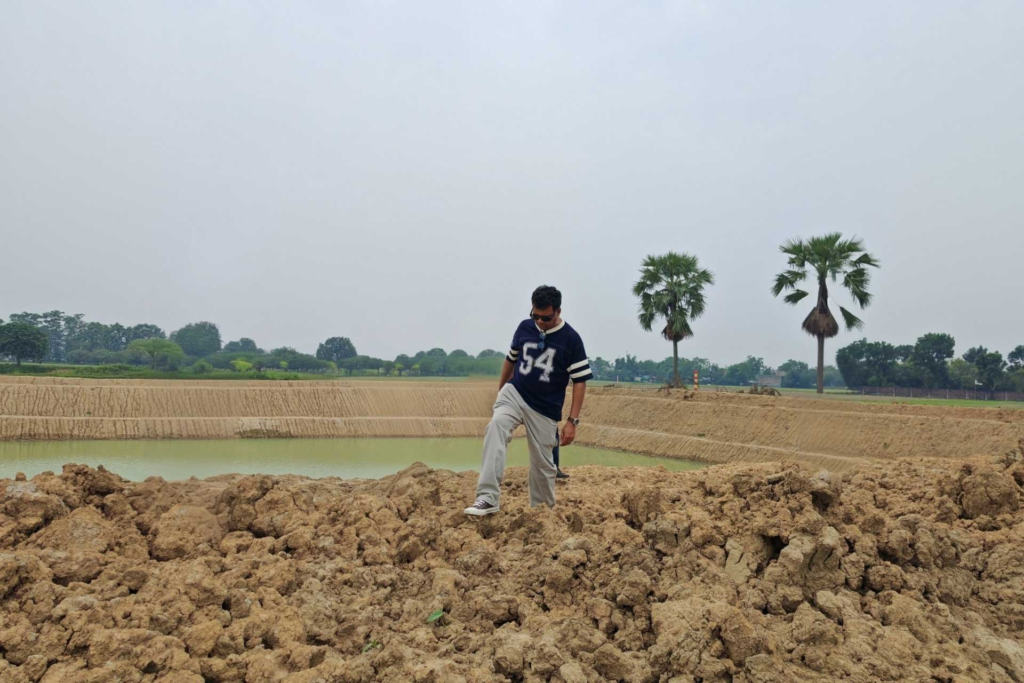
The photographs capture the excavation of a large recharge pond using heavy machinery. These engineered water bodies are designed to collect and store rainwater during the monsoon season. Instead of allowing rainwater to run off, the stored water gradually infiltrates the soil, naturally replenishing underground aquifers. This process helps restore groundwater levels and ensures greater water availability during the dry season.
Every drop of rain that returns to the ground is an investment in tomorrow’s water security—transforming the drought-prone Barind Region into a model of resilience, sustainability, and hope..
Objectives of the Water Recharge Initiative
- Capture and store excess monsoon rainfall.
- Recharge depleted groundwater aquifers.
- Improve long-term irrigation water availability.
- Enhance resilience against drought and climate change.
- Promote sustainable water resource management.
- Strengthen agricultural productivity while conserving natural resources.
Supporting Sustainable Agriculture
Groundwater recharge plays a vital role in ensuring reliable irrigation for farmers. By increasing underground water storage, farmers can access sufficient water during critical growing periods, reducing the risks associated with prolonged dry spells. Improved groundwater availability also lowers the pressure on deep tube wells and helps sustain agricultural production throughout the year.
When integrated with Solar Irrigation Systems, Agrivoltaics, and smart water management technologies, groundwater recharge becomes part of a comprehensive climate-smart agricultural approach. This integrated model reduces dependence on fossil fuels, promotes efficient water use, and supports environmentally sustainable farming.
Environmental and Community Benefits
Beyond agriculture, water recharge contributes to healthier ecosystems by improving soil moisture, supporting vegetation, and maintaining local biodiversity. It also strengthens the resilience of rural communities by ensuring more reliable water resources for both agricultural and domestic use.
Investing in the Future
Water recharge is more than an engineering intervention—it is a long-term investment in environmental sustainability and climate adaptation. By harvesting rainwater and allowing nature to replenish underground aquifers, the Barind Region is taking an important step toward securing its water resources for future generations.
As climate change continues to intensify water scarcity, initiatives like these demonstrate how nature-based solutions and sustainable infrastructure can work together to build a more resilient and productive agricultural landscape.

